All About
Semen
last updated January 1, 2022
4:20 pm
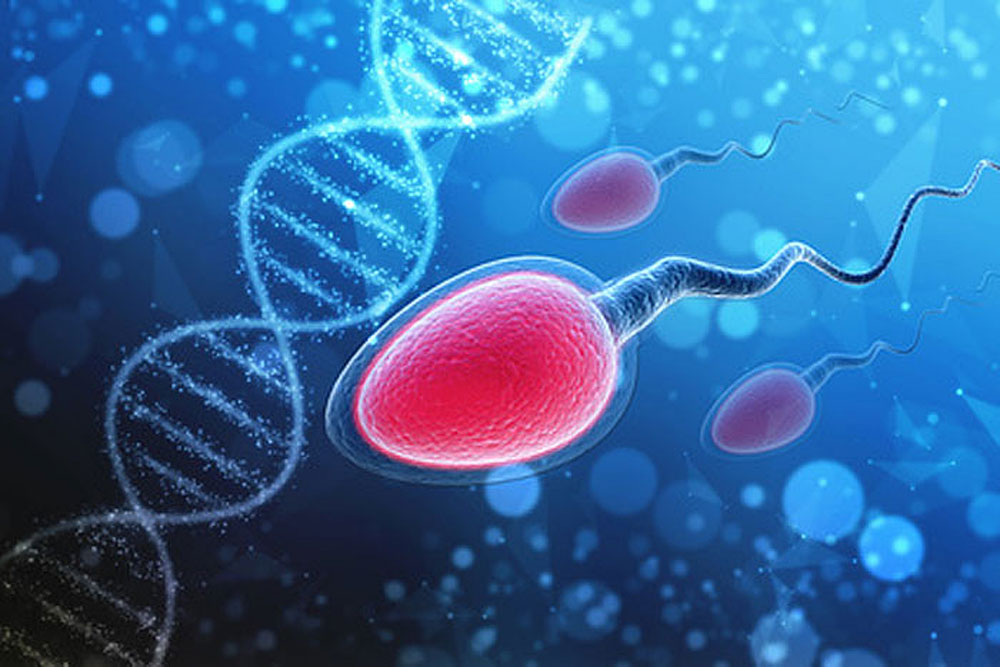
We often hear Semen referred to as "Sperm". But, the sperm cells (spermatozoa) are only about 5-10% of this fluid.
In that 5-10% there are normally 200-500 million sperm cells. Still, it takes only one sperm cell to fertilize a human egg.
Where
It Comes From
Sperm cells come only from the testicles. They take over 70 days to develop. As I said, they make up only 5-10% of the fluid.
Seminal plasma is made by the seminal vesicles. It makes up about 46-80%. The seminal vesicles also create prostaglandins (hormone-like chemicals that regulate cellular activities).
Prostate fluid is obviously from the prostate gland. It makes up about 14-33%. It is a thin, milky, alkaline fluid. This fluid neutralizes the acidic fluid of the vagina and uterus. This neutralization protects the sperm cells and keeps them alive.
Pre-cum is made by the bulbourethral glands (also called: Cowper's glands). This, along with some fluids from the glands of the urethra, makes up about 2-5% of the total fluid. The pre-cum lubricates the urethra so the ejaculate can move easily through the penis.
It Has a Very Complex
Composition
Semen is composed of the sperm cells and seminal plasma. Plasma is defined as: "liquid that carries suspended solids."
Besides sperm cells and a large number of hormones, there are over 30 other substances in the seminal plasma including:
- Vitamins:
- Vitamin C
- Choline
- B 12
- Minerals:
- Calcium
- Magnesium
- Potassium
- Phosphorous
- Sodium
- Zinc
- Sugars:
- Fructose
- Inositol
- Enzymes:
- Hyaluronidase
- Spermidine
- As Well As:
- Blood-group Antigens
- Chlorine
- Cholesterol
- Citric Acid
- Creatine
- DNA (deoxyribonucleic acid)
- Glutathione
- Purine (compound of uric acid)
- Lactic Acid
- Nitrogen
- Purine
- Pyrimidine
- Pyruvic acid
- Sorbitol
- Spermine
- Urea
- Uric Acid
The amount of each substance varies according to personal body chemistry, health, and diet.
What a man eats greatly affects the composition and quality of his seminal fluid.
How Much
Does a Man Make?
Most men release about one teaspoon of fluid when ejaculating. Genetics play a major role in how much a man produces. And, how frequently he can ejaculate.
Quantity can also be influenced by other factors such as: The time period between ejaculations ( the longer the time, generally the larger the ejaculate). Arousal and foreplay (a longer time invested produces a larger ejaculate).
During arousal and foreplay all the reproductive glands are highly stimulated and produce fluids more rapidly.
Some medications affect production.
What About
the
Color?
The color is generally a pearly white. But, it can also be grayish or yellowish to yellow.
If it is pink or red, that indicates blood in the semen. This can scare the hell out of you! But, it is usually no more serious than blood in mucous when you blow your nose.
It usually clears up by itself in a few days. If it is persistent, you should see a physician.
What Causes
the
Taste and Smell?
The taste and smell can vary a lot from man to man. It is affected by general health, medication, and often by what you eat.
For example: Eating asparagus is known to make it taste bad. Pineapple is known to give it a nice clean sweet taste!
Why Does It
Change?
The consistency of our fluid can vary from watery thin to thick and globby like jelly.
The consistency is usually uniform in younger males.
As a man ages he ejaculates less. Also, some of the enzymes that determine the consistency are not produced in as great a quantity. These things can cause the color to be yellowish and/or globby. It is not a serious condition. It is merely a sign of age.
STDs
and
Disease Transmission
With the exception of herpes and genital warts, STDs (sexually transmitted diseases) are carried in the fluid of our ejaculate.
Gonorrhea, syphilis, chlamydia, nongonococcal urethritis (NGU), Trichomoniasis, and cytomegalovirus (CMV) are all STDs that can all be transmitted through this sexual fluid. This is why a condom is so vital to use when the man's sexual history is at all uncertain.
This applies also to the horrible STDs like HIV, AIDS, and hepatitis. It is not the sperm cells that carry the HIV virus. The virus is in the seminal plasma as well as the pre-cum liquid.
If a male is HIV-positive, his semen may contain high levels of HIV, even if his blood levels show low or undetectable amounts of the virus.
That is why unprotected vaginal, oral, and anal sex all carry risks for HIV and STDs transmission.
Semen Contains Hormones
that
Make Women Happy!
This is just a great benefit of healthy sexual intercourse for a woman!
Semen contains many mood-altering hormones (which include: testosterone, luteinising hormone, oestrogen, follicle-stimulating hormone, prolactin and several different prostaglandins). Some these hormones can be detected in a women's blood within hours of exposure to semen.
Researchers have found that women, whose partners use condoms, do not experience the same sense of happy well being after intercourse as women whose vaginas are filled with semen. (Condoms, of course, are always recommended when the male's sexual history is at all uncertain.)
The study was done using the Beek Depression Inventory (a standard questionnaire for assessing mood).
The Researchers say they looked for other explanations such as use of oral contraceptives, frequency of sex, strength of relationships, and personality types.
They said none of these other factors can explain the findings!
Also, along the genetic line, researchers believe that the semen "high" increased the female's desire to seek out sexual intercourse with males.
That's the story of Semen!
Be Well.....
~ William
Recent Articles


-
Recent Articles - Page II
Apr 21, 24 08:25 PM
Hello! And, Welcome to page 2 of Recent Articles! The first page was getting really long. So, here is page 2! -
Prostate Massage Success Stories - 2024
Apr 21, 24 08:19 PM
 Prostate massage success stories are becoming as common as blades of grass. The simple, but highly effective techniques
 -
Prostate Massage, The "Nay Sayers"
Apr 21, 24 08:00 PM
 Prostate massage may be all you need to regain excellent prostate health. It's important to avoid the "nay sayers".
 -
The Useless PSA Test and The Potential Dangers - 2024
Apr 04, 24 11:55 PM
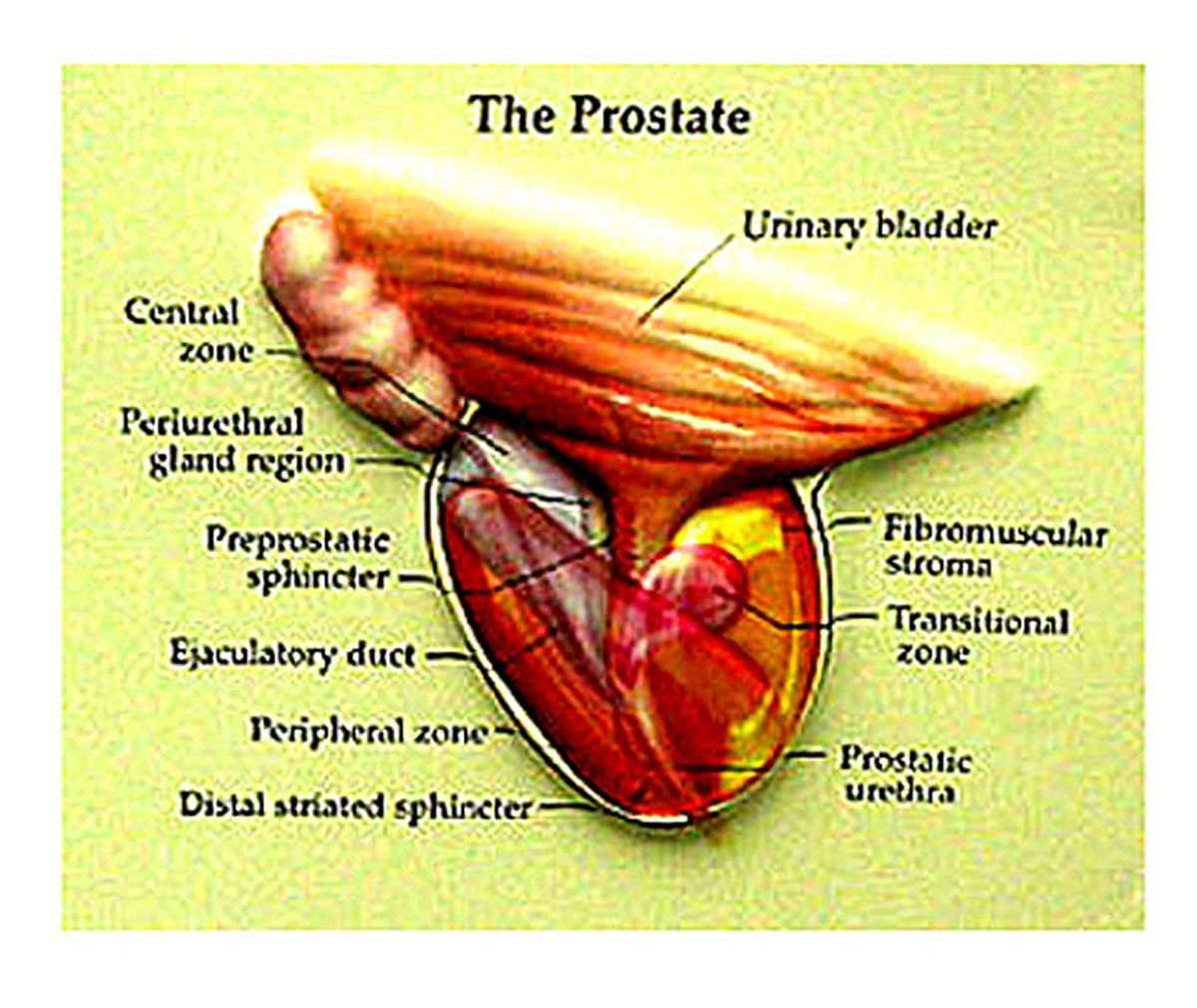 The routine PSA Test is another of the almost totally useless prostate procedures that can unnecessarily scare men.
 -
Natural Prostatitis Pain Relief - 2024
Apr 03, 24 05:22 PM
 Learn the most soothing prostatitis pain treatments that you can use to feel better Right NOW! And, learn how
 -
Fix a Bent Penis Safely and Easily - 2024
Jan 26, 24 06:54 PM
 You can fix a bent penis safely and easily, without surgery, injections, or drugs, 99% of the time. Medically endorsed
 -
Conquering Prostate Problems
Jan 23, 24 06:37 PM
 Conquering prostate problems with correct massage sometimes comes down to just one thing: persistence.
 -
The Prostate Massage Video Series - 2024
Jan 21, 24 06:22 PM
 These Prostate Massage Videos will teach you all you need to know to do the most effective prostate massage possible.
 -
Prostate Massage - Discover the Magical Power - 2024
Jan 19, 24 10:43 PM
 With correct prostate massage you can achieve excellent prostate health again! Whether you're 30 or 90, if you suffer
 -
Prostate Milking - 2024
Jan 19, 24 10:41 PM
 Correct Prostate Milking can bring you great relief if you suffer from prostatitis pain, inflammation, swelling or impo
 -
Correct Prostate Massage Technique - for maximum results - 2024
Jan 13, 24 06:33 PM
 Prostate massage could be the answer to your prayers! Doing it correctly is the difference between success and failure.
 -
So You Have a Bent Penis
Jan 07, 24 08:46 PM
 A bent penis is classified as Peyronies Disease. However, 99% of the time a bent or curved penis is not a disease.
New! Comments
If you'd like to leave me a comment, please use the box below. Thanks! ~ William